Nestled in the hills of Coto de Caza, these 24 acres carry a long and remarkable history.
To own a place like this is an act of stewardship — a commitment to care for it, improve it, and pass it forward.
Coto de Caza — Spanish for "hunting preserve" — began as exactly that.
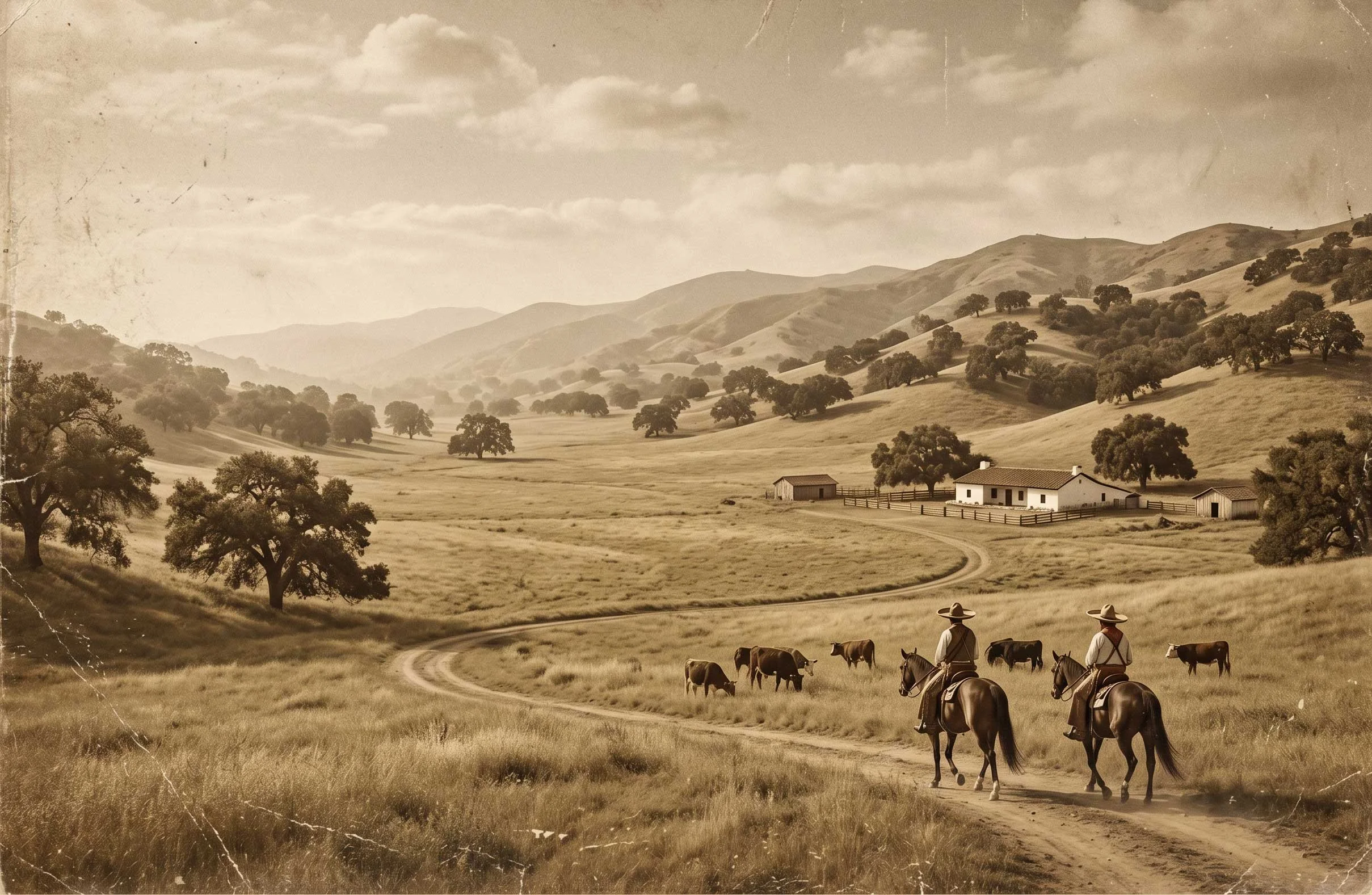
Long before the arenas were built, this valley in the hills of southeast Orange County was grassy ranchland, oak-dotted and largely unchanged from the time Spanish ranchers first claimed it centuries before. In the 1960s, it became a private hunting and riding club — rustic, secluded, and sought after. John Wayne was among its early members, riding the same hills that frame this property today.
Learn more about our competition-grade facility.
Built for Excellence
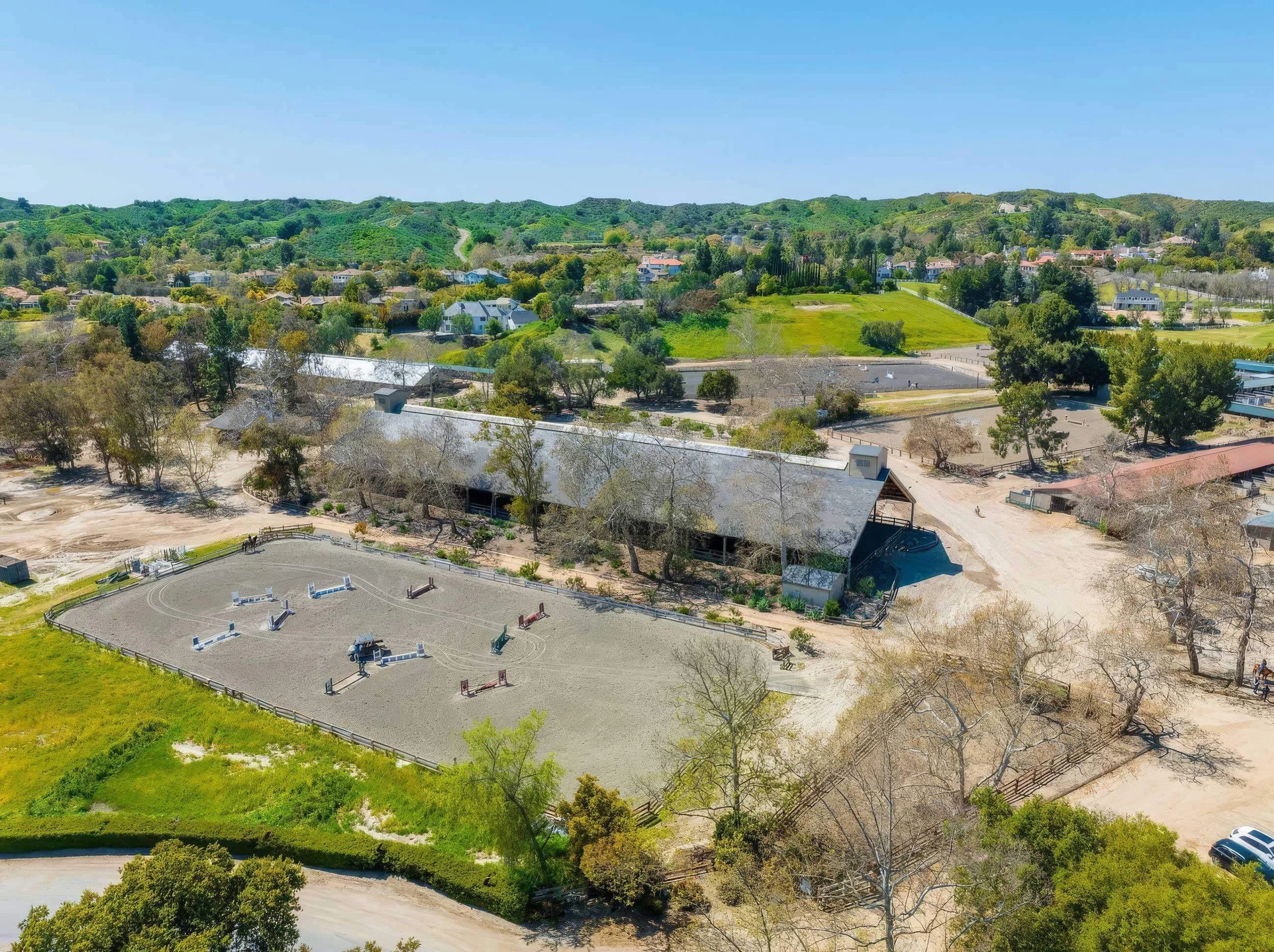
As the community grew, so did its ambitions for the equestrian center. Designed by Eddie J. Milligan — the architect commissioned simultaneously to build the Los Angeles Equestrian Center — the facility was conceived from the start as something serious. Four jumping rings, a dedicated dressage ring, and an indoor ring. It was built to a standard that would soon attract the world's attention.
The Olympic Chapter
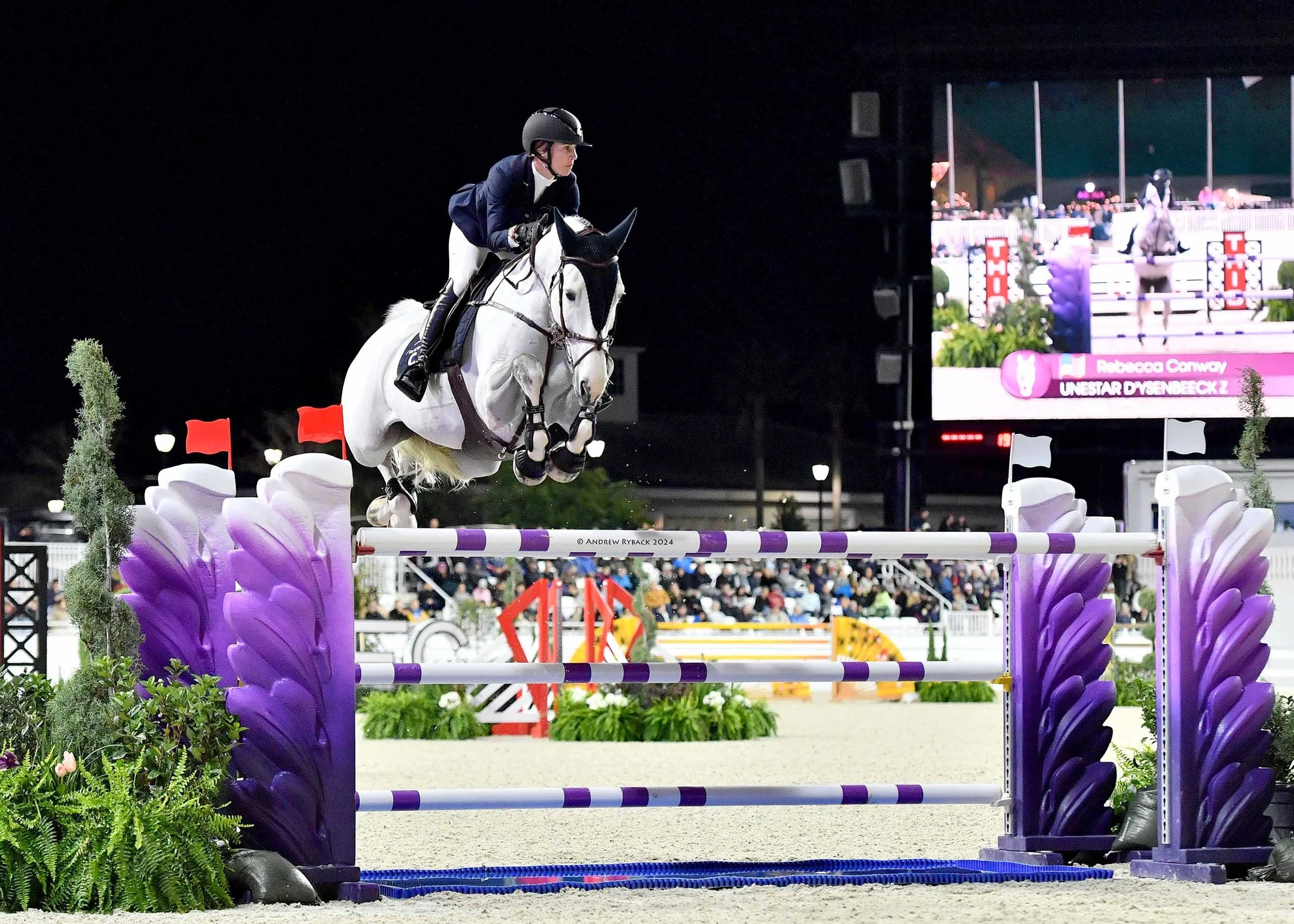
In late July of 1984, fifty-two athletes from eighteen nations arrived in Coto de Caza for the Modern Pentathlon of the XXIII Olympiad. Four of the event's five disciplines — equestrian jumping, fencing, shooting, and cross-country — were held here. More than eight thousand spectators came. Italy took gold. The United States earned silver, their first team pentathlon medal in twenty-four years. The athletes went home, but their history remains as the legacy of the land.
A Legacy Continued
The current owners of Coto Equestrian came to this property not to change it, but to honor it. Their vision has always been one of careful stewardship — preserving what makes this land irreplaceable while making thoughtful improvements that serve the next generation of riders, trainers, and competitors who will call it home. The arenas are being reimagined. The infrastructure is being renewed. But the soul of the place — its history, its scale, its singular sense of belonging to the equestrian world — remains untouched.